
ADR Exams – Changes for 2025
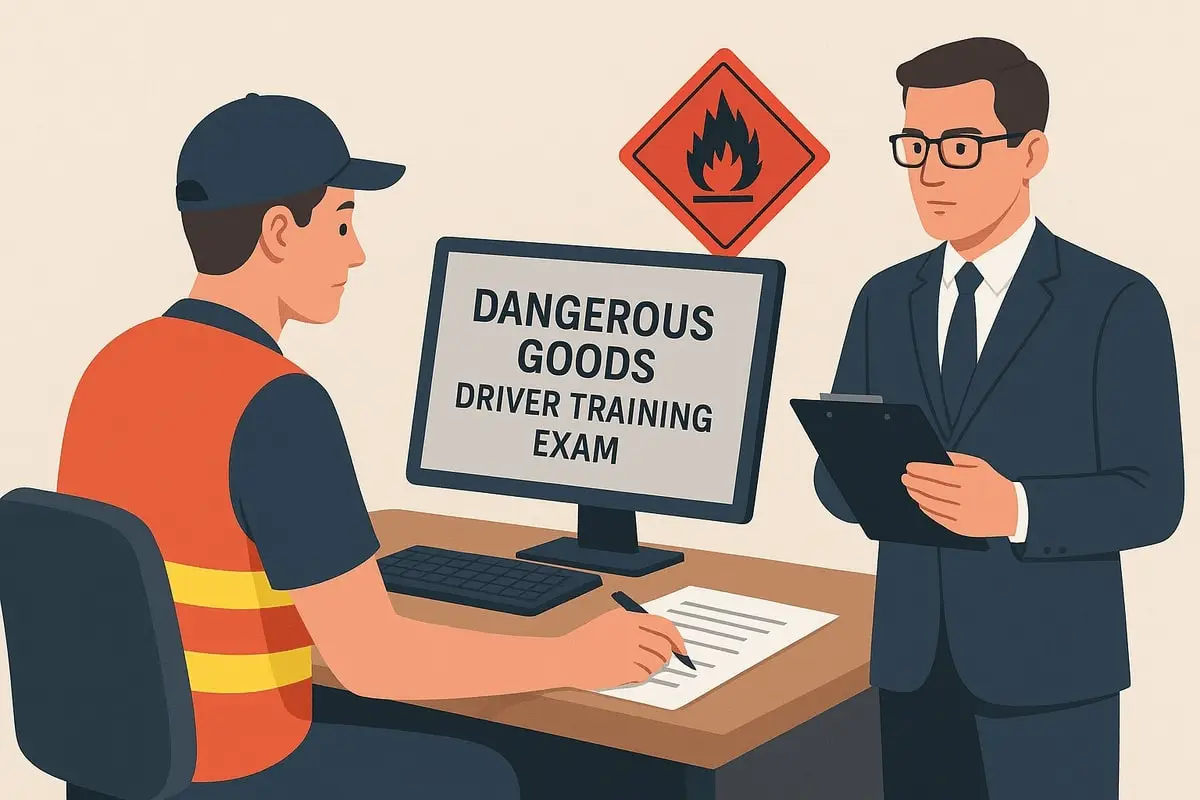
Recent Changes to ADR Exams
The Driver and Vehicle Standards Agency (DVSA) has rolled out major updates to ADR exams this year. These changes reflect new technology and bring the process closer to modern qualification standards.
1. All ADR Exams Are Now Online
From early 2025, every ADR exam must take place on an approved online platform. Paper-based tests are no longer an option. Instead, candidates will sit their exams in approved training centres using secure exam software.
This change creates extra challenges for providers. DVSA now requires centres to supply each candidate with a suitable computer or tablet. While this increases costs for training centres, it also ensures exam consistency. Inevitably, some of that expense will pass on to attendees through course prices.
On the positive side, drivers benefit from instant results. No more waiting for papers to be marked—answers are processed immediately.
2. ADR Exam Invigilators
Another important update is the mandatory use of an on-site ADR exam invigilator. This applies to all exams, whether the training took place in a classroom or remotely.
The invigilator has several responsibilities, including:
-
Checking candidate identity.
-
Making sure the correct online exam is loaded and access codes are issued.
-
Delivering the opening briefing and guiding candidates through a short mock run.
-
Positioning candidates to prevent copying and monitoring them throughout the exam.
-
Enforcing exam integrity by removing phones, notes, or other devices.
From January 2025, the trainer who delivers the ADR course cannot act as the ADR exam invigilator. However, another staff member from the same organisation may step in, as long as they did not teach the course. This separation creates fairness but also raises costs for training providers.
For full details, you can review DVSA’s requirements for approved ADR training providers.
Why These Changes Matter
The DVSA and SQA appear to be formalising ADR exams to align with other level 3 qualifications. While the move improves professionalism, it has frustrated many providers. Extra costs, staff requirements, and new equipment all add pressure. Ultimately, course attendees may see higher prices as a result.
What Candidates Should Expect
If you attend an ADR course in future, expect a more formal exam environment than before. You will notice extra checks, structured procedures, and a professional invigilator. If course fees have risen, these new requirements are the main reason.
At Traxion, we run both remote and classroom ADR courses. We provide each candidate with a touchscreen tablet on the exam day. In addition, every exam is overseen by an appropriate invigilator who was not involved in delivering your training. This ensures fairness and compliance while keeping the process professional.